2 July , 2023


The vice-Imam of the Grand Makki Mosque strongly criticized the blasphemous acts against the holy Qur’an, and burning a copy of the holy Qur’an in Sweden suggesting approval of a law which prohibits insulting the sanctities of all religions. He called such actions against freedom of expression and considered it insulting to two billion Muslims […]
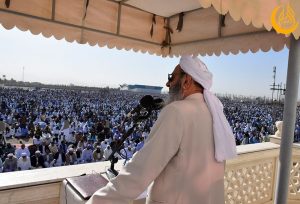
The most influential Iranian Sunni leader strongly criticized the Iranian judiciary for its weak and biased performance in recent years’ nationwide protests. Shaikh Abdol-Hamid emphasized on the importance of fair, just, and impartial judgments and believed that the judiciary must be independent of governments, power holders, and systems. He was talking to the people of […]

The most influential Iranian Sunni leader stated that he would endure any threat in defense of the rights of the people of Iran.

The most influential Iranian Sunni leader referred to women’s rights and considered the position of female very high in society.

Amid a big economic and political disruption in Iran, the most influential Iranian Sunni leader considered fulfilling national demands as the only way to get rid of country’s current crisis.

The most influential Iranian Sunni leader emphasized the need of independence of clerics and scholars, and religious schools…

The most influential Iranian Sunni leader criticized the weak performances of representatives of the Iranian Islamic consultative assembly and the inability of the parliament to manage the crises.
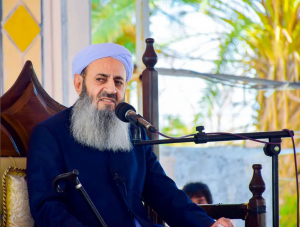
The most influential Iranian Sunni leader called for urgent solutions to get rid of the current crises in Iran.
The most influential Iranian Sunni leader strongly criticized the election process in Islamic Republic of Iran, and considered the current crises in the country as the result of unsafe and unfair elections.
Expressing his deep regret over execution of at least 22 Baloch citizens in different cities of Iran last week, the most influential Iranian Sunni leader considered it contrary to Islam and against the international laws.