


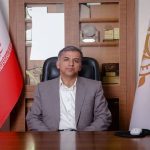
Shaikh-ul-Islam Mawlana Abdol-Hamid, speaking at Friday prayers in Zahedan on October 23, 2026, expressed concern over the growing economic pressure on Iran. He called on the ruling authorities, government, parliament, and military commanders to take the public’s critical living and economic conditions into account when making policies and decisions. Instead of insisting on a single approach or policy, he urged them to demonstrate flexibility and willingness to compromise in negotiations and dialogue.
The Iranian Nation Voted for the Islamic Republic in the Hope of Establishing Justice
Mawlana Abdol-Hamid said that the Iranian nation, one of the world’s ancient and most civilized peoples, had launched its revolution and voted for the Islamic Republic in the hope of establishing the justice it knew from the Prophet Mohammad, the Rightly Guided Caliphs, and Sayyidana Ali, drawing inspiration from the conduct of the early Muslim leaders. The nation had continued to support the system over the years.
People Are Concerned About National Interests
The Friday Imam of Sunnis in Zahedan went on to say that Iranians were now deeply concerned about national interests. “These interests are a shared asset belonging to all citizens, and everyone’s livelihood depends on them. Protecting national interests is the responsibility of governments”, he urged.
Mawlana Abdol-Hamid added that the national interests on which people’s lives depend were at risk. “Who is in charge of managing these interests, and who will be held accountable?”
Natural Resources Have Been Plundered by Those in Power
The Friday Imam of Sunnis in Zahedan also criticized the plundering of natural resources, saying that forests, mines, and other natural resources—which are part of the country’s national wealth—had not been adequately protected and had instead been exploited by those who wielded power and influence.
Controlling Inflation and Maintaining the Value of the National Currency Are the Government’s Responsibility
The most influential Iranian Sunni scholar continued: “Economy is one of the most important components of national interests. Unfortunately, it has been left to its own devices in our country, with no effective oversight of the economy or national interests.”
“In the past, governments were concerned about the national currency. But later, during the period of one of the past presidents, when the dollar reached 60,000 Tomans, he said, ‘What do exchange rates have to do with us?’ In other words, the government had lost control and abandoned the national currency to its fate. Today, we see that the national currency is on the verge of losing virtually all its value and becoming worthless,” he underlined.
Shaikh Abdol-Hamid stressed that maintaining the value of the national currency and controlling inflation were the responsibilities of the government, the ruling authorities, and the state as a whole. “When the ruling authorities and the state speak about their own rights, why do they not speak about the rights of the people? Today, Iranians are experiencing the worst inflation in the world and are unable to meet their basic needs. For more than ten years, teachers, civil servants, retirees, and nurses have been protesting that their salaries are insufficient to live on. Merchants, shopkeepers, traders, and other segments of society are also struggling and making their voices heard.”
The World Wants to Cut off the Country’s Economic Lifelines
Mawlana Abdol-Hamid stated that the international community was now putting pressure on the country’s vital lifelines and seeking to sever its economic lifeline. “Under these circumstances, when the country is under a naval blockade and can neither sell its oil nor benefit from maritime trade, how can it be governed?”
He also pointed to difficulties along Iran’s land borders, saying: “In addition to the naval blockade, the country’s land borders and commercial and transit crossings with Turkey, Iraq, and Pakistan—including the Rimdan and Taftan border crossing points—have also been closed. Hundreds of trucks carrying food supplies are stranded at the crossings, and their cargo is spoiling and going to waste. If sea, land, and air routes are closed and imports and exports come to a halt, how Iran’s population of 80 to 90 million people supposed to live?”
Government, Parliament, and Ruling Authorities Must Put People First; Military Commanders Must Consider Their Living Conditions
Addressing the country’s officials, Mawlana Abdol-Hamid said: “You, the officials, must care about the people and must not leave them to fend for themselves. People are hungry and living in poverty and hardship, and that is why they are protesting. No social group or class can be expected to endure these conditions.”
He emphasized that the government, parliament, and ruling authorities bore a particularly heavy responsibility under the current circumstances and must prioritize the people’s welfare. “Military commanders should not simply say that they have weapons and equipment and can strike the enemy. They must also take the people’s living conditions and economic hardships into account.”
Political Interests Are Closely Tied to National Interests; Policies Must Be Designed to Protect National Interests, as Confrontation with Other Countries and Peoples Sacrifices Those Interests
The Friday Imam of Sunnis in Zahedan said that political interests were part of national interests, and it was the responsibility of the ruling authorities to formulate policies in a way that protected them. The authorities should engage with countries around the world, maintain trade and cooperation, and establish friendly relations, because the interests of nations are interconnected. If the authorities enter into conflict with certain nations, national interests will be sacrificed.
He added: “A ruler should be close to the people and attentive to their needs. Domestic policies should be formulated in a way that fosters good relations with the public. A ruler should not say, ‘Whether the people want me or not, governing is my right.’ The ruler and the Islamic Republic system came to power through the people’s votes. If the people no longer want them and are dissatisfied, governing is not appropriate for anyone.”
The American and Iranian Sides Must Show Flexibility and Willingness to Compromise in Talks
Mawlana Abdol-Hamid emphasized the need for dialogue and flexibility in negotiations. Addressing officials, he said: “Engage in dialogue with other countries and peoples, and make national interests your priority in all negotiations. Do not be stubborn or insist on moving in only one direction. That is a blunder. The progress and development of societies depend on flexibility and a willingness to accept sound ideas from others.”
He continued: “If the American side says it will not negotiate, that would be a major mistake. If the Iranian side also refuses to engage in dialogue, that would be a major mistake as well. Both sides must show flexibility in negotiations, giving something and receiving something in return. That is what peace and agreement mean: being willing to give up something in order to gain something else.”
Security Cannot Be Established by Condemning Insecurity Alone; Dialogue with the Public and Opponents Is Essential
The Friday Imam of Sunnis in Zahedan also stressed the importance of domestic dialogue, saying: “Sit down with your own people and listen to what they have to say. Engage in dialogue and negotiations with opponents inside and outside the country, as well as with groups that create insecurity. Dialogue can help reduce problems and insecurity.”
Responding to some recent criticism, he added: “Some people ask why we do not condemn acts of insecurity. We have condemned them many times in the past. Unfortunately, some people think that maintaining security means nothing more than issuing condemnations. But security cannot be established simply by decrying acts of insecurity. Dialogue is also essential. We must express our own views while listening to what others have to say.”
Dialogue Is Part of Islamic Teachings and the Tradition of the Prophet and the Ahl al-Bayt; Sayyidana Ali Engaged in Dialogue with His Opponents
Mawlana Abdol-Hamid said that opening the door to dialogue was part of Islamic teachings and that the Ahl al-Bayt had followed the same path. Ali engaged in dialogue with his opponents. Sayyidana Hasan inked up a peace agreement with Sayyidana Mu’awiyah to prevent bloodshed and, under certain conditions, handed over the entire Islamic realm to him.
Tensions between Neighboring Countries “Deeply Distressing” and Painful for Their Peoples
The Friday Imam of Sunnis in Zahedan expressed regret over conflicts among neighboring Muslim countries, saying that recent tensions had caused pain and suffering for people across the Middle East. Neighboring countries should be willing to sacrifice their lives and property to protect and defend one another. It is deeply distressing to see neighboring countries shed each other’s blood and destroy one another’s infrastructure.
There Is No Clear Prospect for the Current War
Expressing concern over the continuation of the war between the United States and Iran, Mawlana Abdol-Hamid said that the current conflict had created extremely difficult conditions for the Iranian people and that no clear prospect for its outcome was in sight.
He said a brighter future would become possible only if policies changed, dialogue began with the public and the international community, and the country became willing to reconsider many of its positions in order to protect the interests of the Iranian people.
Pressure and Intolerance Are Increasing; the Current Sensitive Situation Calls for Greater Openness toward the Public
In another part of his Friday sermon in Zahedan, the most famous Iranian Sunni leader strongly criticized the growing pressure and intolerance in the country.
He said: “Unfortunately, despite the sensitivity of the current situation, pressure is increasing and intolerance persists. Many activists, cultural figures, and protesters are being arrested. Executions have also increased significantly. The current circumstances require greater openness toward the public so that people’s trust and goodwill can be regained.”
Freedom to Travel throughout the Country Is a Civil Right of Iranians; Denying This Right Has Negative Consequences
Mawlana Abdol-Hamid also referred to restrictions imposed on Shaikh Mohammad Saleh Pardel, one of the country’s prominent and well-known religious scholars, during a planned trip to Kurdistan with his family.
He said: “One of the country’s prominent and well-known scholars traveled to a province, but he was prevented from continuing his journey and was treated in an insulting manner. Yet he poses no threat to anyone and has lived an upright, unassuming and claimless life.”
He continued: “Unfortunately, some officials cannot tolerate prominent religious scholars traveling to other cities and provinces. Yet the freedom to travel throughout the country is one of the civil rights of Iranian citizens, and restricting this right has negative consequences. Sunni and Shiite scholars, university academics, and other political and religious figures must be able to travel freely.”
Maintaining Security Benefits Everyone
At the end of this part of his sermon, the Friday Imam of Sunnis in Zahedan reiterated his emphasis on maintaining security, as he had in previous weeks. He said: “I urge everyone to help preserve security. Maintaining security in the country and the province is part of our national interests and benefits everyone.”
The Iranian Nation is among the World’s Historic and Civilized Peoples; Ancient Monuments Reflect the Age-Old Civilization of This Land
In the opening part of his Friday sermon in Zahedan, Shaikh-ul-Islam Mawlana Abdol-Hamid described the Iranian nation as a historic and civilized people and said that Iran’s ancient monuments, some dating back thousands of years, reflect the country’s long-standing civilization.
Ancient Iranian History Also Includes Just Rulers
Referring to the long history and ancient civilization of the Iranian people, Mawlana Abdol-Hamid said: “The Iranian people belong to one of the world’s historic nations, with a very ancient civilization. Evidence of this heritage can be found in the country’s archaeological sites and historical monuments, which attract visitors from around the world. Some of these structures date back five or six thousand years, while others are around 2,500 years old or fall somewhere above or below that mark.”
He added: “Throughout their history, the Iranian people have lived under various governments, some of which upheld justice. This is why certain Iranian rulers are remembered as just. There have been kings who served the people according to their own principles and methods, although unjust rulers also existed.”
When Iranian Culture and Civilization Blended with Islamic Culture, They Flourished on the World Stage; Many Prominent Figures and Scholars Emerged in Post-Islamic Iran
The Friday Imam of Sunnis in Zahedan went on to say that both ancient and modern civilizations were part of the Iranian nation’s heritage. When Iranian culture and civilization blended with Islamic culture, they flourished and gained prominence throughout the world.
“Many major intellectual and literary figures, including Imam Ghazali, Saadi, Imam Razi, and Avicenna, along with numerous other scholars, poets, writers, and thinkers, grew up and developed their work in post-Islamic Iran. They remain a source of pride for both the Iranian people and the wider world,” he urged.
Islam Brought Ethics, Humanity, and a Transformation in Beliefs and Thought
Continuing his remarks, the president of Darululoom Zahedan referred to the condition of human society before the advent of Islam.
He said that Islam emerged in a world where barbarism, savagery, tribal warfare, corruption, murder, and plunder had become widespread.
“Islam brought ethics, humanity, and a transformation in beliefs and thought to human society. The greatest achievement of the Prophet Mohammad’s mission was the promotion of good character. In a society dominated by oppression and the denial of people’s rights, the Prophet, peace and blessings be upon him, brought justice, moral values, and human dignity. Enslaved men and women gained recognition and respect, and Islam granted women dignity and worth. The women of the early Islamic period continue to shine in history.”
Islam Did Not Spread Through Coercion or Violence; Ethics and Justice Helped It Spread throughout the World
The Friday Imam of Sunnis in Zahedan identified ethics and justice as among the most important factors behind the spread of Islam around the world.
He said: “When Islam came to Iran, people observed the Muslims’ ethics, justice, fairness, humanity, simple way of life, and humility, and accepted the faith of their own free will. Other nations, too, embraced Islam not at the point of a sword, but because they were influenced by the moral conduct and justice of Muslims. There was no compulsion in accepting Islam, because Islam rejects coercion and compulsion as the Noble Qur’an says: ‘There is no compulsion in the religion.’”
He continued: “Islam did not spread through violence; rather, it condemns violence. In Islam, jihad took place when the opposing side was unwilling to engage in reasoned discussion or dialogue, committed acts of oppression, and refused to submit to justice. Non-Muslims who lived peacefully alongside Muslims were not only protected from violations of their rights; Muslims also safeguarded their lives and property just as they safeguarded their own.”










Comments